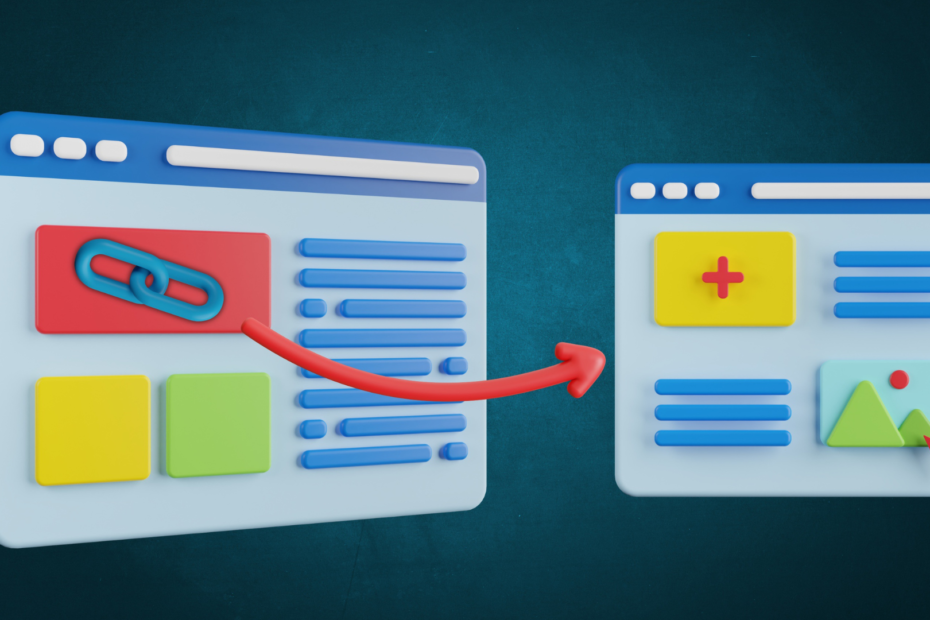
Backlinks play a crucial role in search engine optimization (SEO), influencing how websites rank in search results. Nofollow and dofollow backlinks serve different purposes, impacting a site’s authority and visibility. Understanding the difference between these two types of links is essential for anyone looking to optimize their online presence and improve search engine rankings.
Dofollow links pass on link equity to the linked website, aiding its SEO efforts by boosting its credibility in the eyes of search engines. In contrast, nofollow links do not transfer this link equity, making them less impactful for direct SEO benefits. However, nofollow links can still drive traffic and increase brand exposure, which is valuable in their own right.
As businesses invest in their online strategies, knowing the implications of nofollow and do-follow backlinks can shape their approach to link building. This insight will allow them to make informed decisions that not only enhance their website’s authority but also contribute to a balanced and effective SEO strategy.
Understanding Backlinks in SEO
Backlinks are essential components in an SEO strategy, influencing website authority and search engine visibility. Both do follow and nofollow links play distinct roles in shaping a site’s backlink profile and overall performance in search rankings.
The Role of Dofollow and Nofollow Links
Dofollow links allow search engines to pass link equity from one site to another. This process can enhance a web page’s authority and improve its ranking potential. In contrast, nofollow links instruct search engines not to pass link equity. While nofollow links may not directly influence rankings, they can still drive traffic and enhance visibility.
Link building often focuses on acquiring dofollow links, but nofollow links shouldn’t be disregarded. They form part of a natural link profile, demonstrating a range of interaction types across the internet. A well-rounded strategy incorporates both types to optimize their effects.
Evaluating Backlink Quality and Authority
Quality is vital when evaluating backlinks. Not all backlinks contribute equally to a site’s authority. High-quality backlinks come from reputable sites with strong domain authority and relevance.
Metrics such as PageRank and trust flow are indicators of a site’s authority. Tools like Moz’s Domain Authority and Ahrefs’ Domain Rating help assess link profiles effectively. A strong backlink profile usually contains a mix of high-authority dofollow links and relevant nofollow links.
The Impact on Search Engine Ranking and Visibility
Dofollow backlinks significantly affect search engine rankings by passing link equity. This can lead to better visibility in SERPs (Search Engine Results Pages). The more high-quality backlinks a site has, the more likely it is to be trusted by search engines.
Nofollow links, while not directly influential on rankings, can still enhance a site’s visibility and traffic by referring users. Search engines may consider a diverse backlink profile stronger, suggesting a site is engaged and valued in its niche. Therefore, both do-follow and no-follow links are crucial to a comprehensive SEO approach.
Strategies for Optimizing Backlinks
Effective backlink strategies enhance a website’s authority and visibility while adhering to search engine guidelines. A balanced approach to follow and do follow links, regular audits, and strategic linking can significantly impact digital marketing initiatives.
Balancing Nofollow and Dofollow Backlinks
Strategic use of nofollow and dofollow backlinks is essential for maintaining a website’s SEO health. Dofollow links contribute to domain authority by passing link equity and boosting search rankings. However, nofollow links play a critical role in diversifying a backlink profile, reducing the risk of penalties from search engines.
Marketers should aim for a healthy ratio, often cited as around 70% do-follow and 30% no-follow, particularly when targeting organic traffic. Including nofollow links from reputable sites mitigates the reliance on dofollow links. Sponsored links should always be nofollow, ensuring compliance with search engine guidelines.
Conducting Backlink Audits
Regular backlink audits are vital for assessing the quality and effectiveness of existing links. These audits enable the identification of toxic backlinks that can harm a site’s SEO performance. Tools like Ahrefs and SEMrush can be utilized to analyze backlink profiles, focusing on metrics like link authority and referring domains.
Adjusting the backlink strategy based on audit findings helps maintain optimal SEO health. Disavowing harmful links and enhancing relationships with authoritative sites for guest posting opportunities can lead to improved brand visibility and traffic generation. Audits should be conducted at least quarterly to stay ahead in a competitive digital landscape.
Leveraging Internal and External Linking
Internal linking enhances site navigation and distributes link authority across various pages. By linking to high-value content within the site, it encourages users to explore further while promoting certain pages to search engines. This enhances SEO health by indicating content relevance and connection.
External linking to credible sources also boosts a website’s authority. It builds trust with users by providing additional resources and context. Incorporating both strategies not only improves user experience but also establishes the site as a valuable resource in content marketing efforts.
The Influence of User-Generated Content and Social Media
User-generated content (UGC) and social media play crucial roles in shaping online presence and brand exposure. They facilitate a unique interaction between brands and audiences, significantly impacting user experience and engagement.
Navigating UGC Links and Engagement
UGC links can enhance a website’s authority when sourced from reputable platforms. These links often carry a nofollow tag, meaning they do not directly boost a site’s rankings.
While they may not contribute to SEO in the traditional sense, UGC can still drive traffic. When users engage with content, they create conversations that foster community engagement.
Benefits include:
- User Engagement: Users spend more time on sites with rich UGC.
- Brand Awareness: Effective UGC campaigns can increase visibility.
Brands should focus on encouraging high-quality contributions that resonate with their audience. Recognizing influential contributors can lead to valuable partnerships and increased trust.
Expanding Reach through Social Platforms
Social media serves as a powerful tool for distributing UGC. Platforms like Facebook, Instagram, and Twitter allow users to share content with ease, expanding a brand’s reach.
An active social presence can drive traffic back to a website, enhancing online visibility. Additionally, posts that involve do-follow backlinks from authoritative websites can provide a direct SEO benefit, unlike their no-follow counterparts.
Strategies for leveraging social media include:
- Engaging content: Posts that invite interaction encourage sharing.
- Influencer partnerships: Collaborating with influencers can amplify brand messages.
By prioritizing these strategies, brands can cultivate a vibrant online community. This engagement not only enhances user experience but also solidifies a brand’s presence in its niche.